This unit (first half of Early Presidents and Social Reformers) focuses on the first seven presidents of the United States. Across 9 lessons, students learn about how the early presidents organized the federal government, built a national capital, directed a second war with Great Britain, more than doubled the size of the country, and formulated a “hands-off” foreign policy in the Western Hemisphere.
Commemorating Presidents’ Day Resources
Teach your high school students about the constitutional legacy of George Washington, James Madison, Abraham Lincoln, and Ronald Reagan this Presidents’ Day. These free, ready-to-use lessons will engage your students in learning about these important presidents and how they shaped the history and Constitution of our nation. Each lesson was written and reviewed by scholars and contains questions to test student knowledge.
Impeachment Proceedings
The process of impeachment was outlined in the Constitution when it was drafted in 1787. To date, 19 officials, including judges, cabinet members, senators, and presidents, have been impeached and stood trial. The crimes these individuals have been charged with range from perjury to conspiracy to intoxication on the bench. It is important to note that impeachment is not the actual removal from office, but merely the process to remove an official.
Cold War Document Based Question
Utilizing primary source documents from the archives of Presidents Truman, Eisenhower, Kennedy, Nixon, and Reagan, this piece of curriculum is modeled after the Advanced Placement Document Based Questions. This question invites students to explore U.S. Cold War foreign policy through the lens the office of the presidency, and to develop crucial critical thinking and writing skills.
C-SPAN’s Impeachment Site
This site contains resources to help you teach about the historical and constitutional background of Congress’ impeachment power. You will find coverage and featured clips of the second impeachment and Senate trial of President Donald Trump; lessons on Congress’ role and history of impeachment; and Bell Ringers on the impeachment of Presidents Bill Clinton and
Presidential Elections
The purpose of this lesson is to have students learn about each presidential election and presidential terms. Students will understand how various events in history shaped campaigns. Why elections were won and lost. What accomplishments and disappointments each president experienced. Each election and presidential term served had its own mark on history. The presentation to the class is the order of the elections starting with Washington’s first election and proceeding forward. The lesson plan was created to engage students in the election process and create interest in the coming presidential election.
Constituting America’s 90 Day Study of The Intrigue of Presidential Elections and Their Constitutional Impact is a resource guide for students. This study supplies many of the important facts and figures of each presidential campaign. There are also intriguing facts, stories, and information about the person, campaign, time in office and after the presidency.
American Reformers (CKHG Unit)
This unit (the second part of Early Presidents and Social Reformers) focuses on the efforts to improve American society in the early 1800s. Across 6 lessons, students learn about the temperance movement, free public education, the abolitionists’ crusade to abolish slavery, and the early women’s rights movement. The unit explores early reformers’ legacy in ongoing modern-day struggles for equality and civil rights.
Japanese American Internment
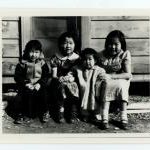
On February 19, 1942, President Franklin D. Roosevelt issued Executive Order 9066, which gave the military broad powers to ban any citizen from a coastal area stretching from Washington state to California and extending inland into southern Arizona. For the next four years, more than 120,000 persons of Japanese ancestry—77,000 of them American citizens—were removed from this area and incarcerated indefinitely without criminal charges or trial. Forty-six years and eight presidents later, on August 10, 1988, President Ronald Reagan signed the Civil Liberties Act of 1988 into law.
Activity: Flat George Washington
A cut-and-color activity sheet that encourages students to find George Washington in their school or community.
Importance of Health
Students will examine excerpts from different primary source documents to understand the importance that George Washington placed on being proactive about personal health. After the examination, students will create their own health diaries, like Washington.